

Conservation efforts for the West Virginia White and Appalachian Grizzled Skipper
There’s something magical about spotting a butterfly on a quiet trail or in your backyard. Their presence reminds us how interconnected all life is — from native plants and pollinators to songbirds, bears and even us. But while the sight of a butterfly brings joy, some of West Virginia’s species are quietly disappearing due to habitat loss, invasive species and climate change.
In this blog, we’ll highlight the importance of butterfly conservation, introduce a few rare species you might not know about, explore the threats butterflies face and share simple actions you can take to help pollinators thrive across the Mountain State.

Meet West Virginia’s Rare Butterflies
Butterflies play a vital role in our ecosystem. As pollinators, they help native wildflowers reproduce while their caterpillars serve as a food source for birds, mammals and other wildlife. Because they’re so sensitive to environmental changes, butterfly populations are also indicators of ecosystem health. When butterflies disappear, it often signals deeper problems affecting other species too.
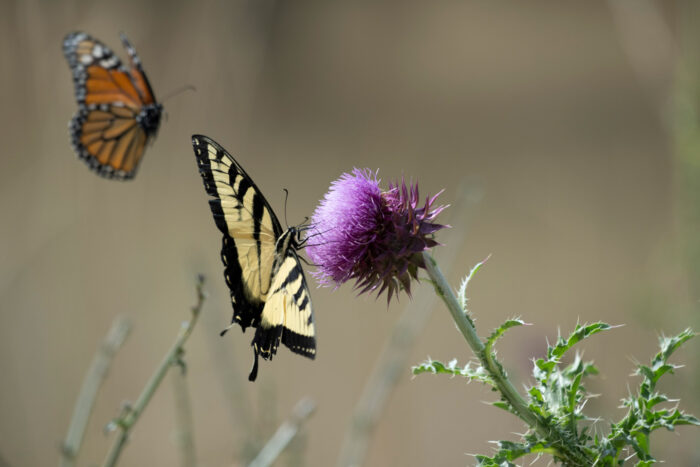
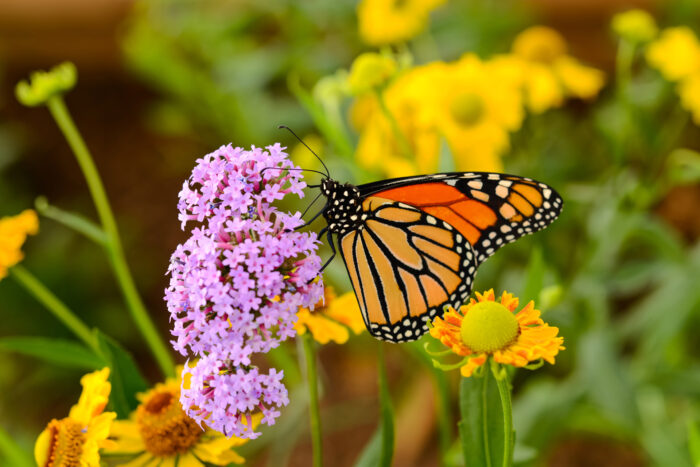
While many West Virginians are familiar with the monarch or the eastern tiger swallowtail, the state is also home to lesser-known species that are quietly struggling to survive. Two examples include the West Virginia White and the Appalachian Grizzled Skipper, rare butterflies in decline that are uniquely tied to native plants and habitats.
West Virginia White Butterfly (Pieris virginiensis)
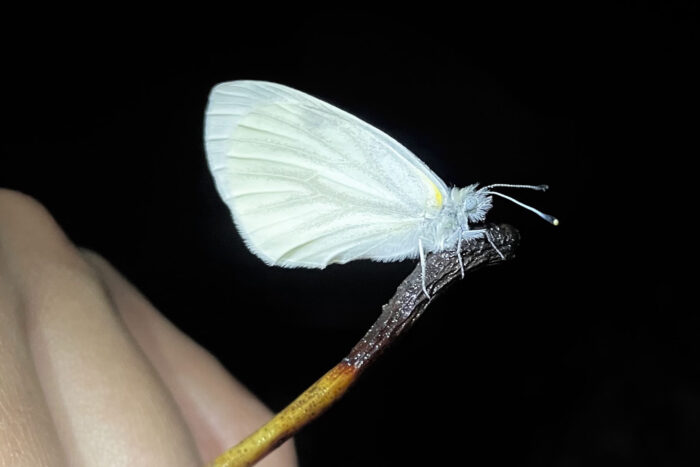
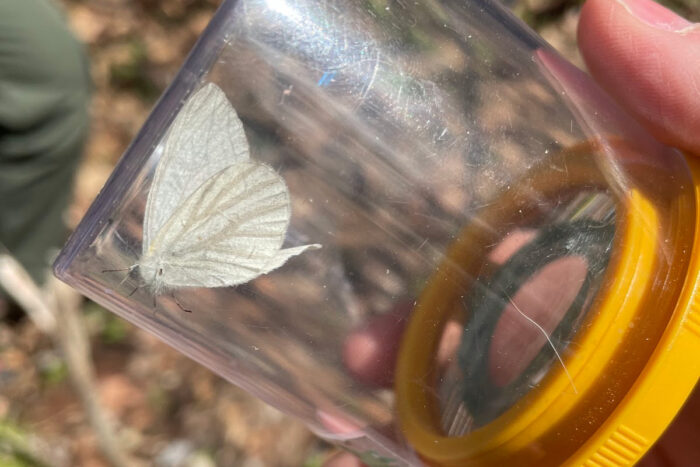
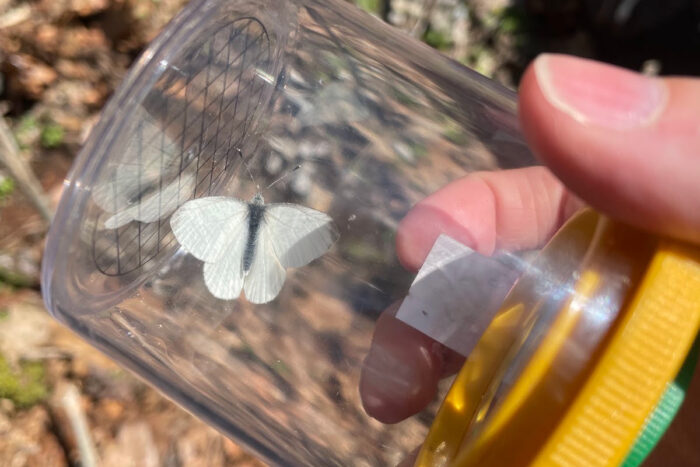
The quarter-sized West Virginia White butterfly has white wings marked with soft, smoky veins and a fuzzy gray body that gives it a ghost-like appearance as it flutters through woodlands and glades. Its caterpillars feed only on native toothworts, which are disappearing due to habitat loss and the spread of garlic mustard, an invasive plant that tricks females into laying eggs on a host that poisons their young.
These butterflies play a vital role in pollinating early spring wildflowers like cut-leaved and two-leaved toothwort, spring beauty and violets. Just as important, their caterpillars serve as a crucial food source for other wildlife. But this species lives on a tight seasonal schedule. Its caterpillars can feed only on native toothworts, which are available for just a few weeks each spring. That narrow window makes the West Virginia White especially vulnerable to habitat loss, invasive plants and environmental disruption.
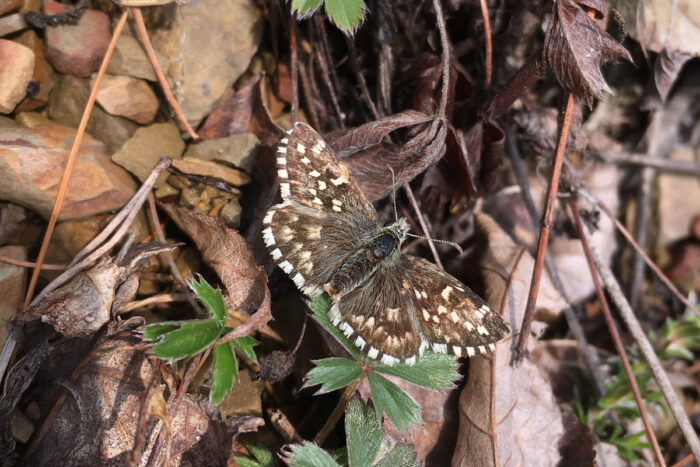
Appalachian Grizzled Skipper (Pyrgus centaureae wyandot)
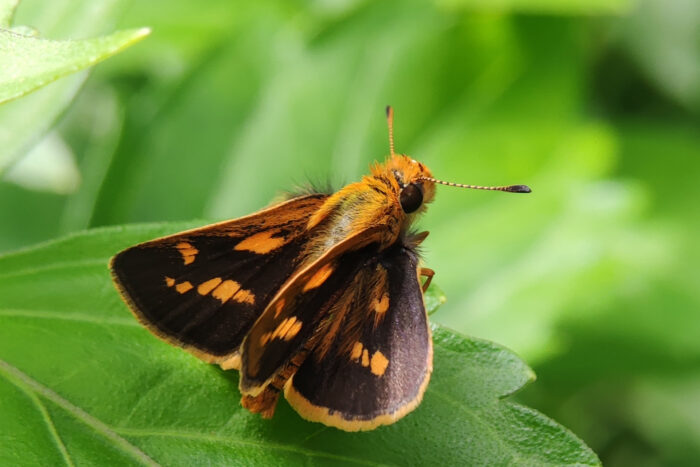
Smaller than a nickel and easy to miss, the Appalachian Grizzled Skipper is a master of camouflage. Its speckled brown-and-white wings and fuzzy bluish-gray body blend into the rocky slopes it calls home. This butterfly thrives in dry, open areas like shale barrens, sparse oak-pine woods, roadsides and powerline corridors.
This butterfly pollinates a variety of native plants, including moss phlox, birdsfoot violet and cinquefoils. Its caterpillars feed exclusively on cinquefoils and wild strawberries—plants that grow best in dry environments. Because it inhabits such extreme conditions, the skipper’s caterpillars also provide an important food source for other wildlife adapted to these habitats. Once found across a wide range from Michigan to North Carolina, the Appalachian Grizzled Skipper is now critically imperiled in West Virginia, with only a small, isolated population remaining along the Virginia border.
What’s Threatening West Virginia’s Butterflies?
The West Virginia White and Appalachian Grizzled Skipper offer just a glimpse into the diversity and fragility of West Virginia’s butterfly populations. Their decline reminds us that protecting pollinators isn’t just about saving individual species but about preserving the intricate web of life that makes our forests, fields and outdoor traditions possible.
Many of the challenges butterflies face stem from human activity, such as:
- Habitat Loss: Deforestation, agriculture and development have fragmented meadows and woodlands butterflies rely on.
- Invasive Species: Invasive species outcompete natives and disrupt butterfly reproduction.
- Insecticide Use: Insecticides meant to control pests often harm pollinators as well.
- Climate Change: Warmer temperatures and shifting bloom times disrupt the precisely timed emergence of these butterflies and their host plants.
By protecting butterflies, we’re also protecting the ecosystems that support wildlife and outdoor activities, such as hunting, fishing, hiking and more.
How the WVDNR is Protecting Rare Butterflies
The WVDNR is committed to protecting butterflies and preserving native pollinator habitats. Through collaboration with partners like the U.S. Forest Service and Division of Highways, the WVDNR is supporting rare butterflies in several key ways:
- Protecting Natural Areas: Preserving healthy woodlands and meadows where butterflies thrive.
- Controlling Invasives: Removing garlic mustard and encouraging landowners to do the same.
- Monitoring Populations: Tracking butterfly populations through surveys and research.
- Future Planning: Exploring future reintroduction projects for at-risk species like the Appalachian Grizzled Skipper.
- Collaborative Habitat Management: Working with partners like the U.S. Forest Service and Division of Highways to integrate pollinator protection into land management practices.
This conservation work not only protects butterflies, but helps ensure healthy landscapes for hunting, fishing and outdoor recreation on West Virginia’s public lands for generations to come.
How You Can Help Protect West Virginia’s Butterflies
Whether you live in the heart of a city or out in the hills and hollows of West Virginia, here are a few easy and meaningful ways you can help butterflies right at home.
- Plant Native Wildflowers. Create a butterfly-friendly garden using the “Rule of Three:” plant three native species, in three colors, across three blooming periods. For rare species like West Virginia White and Appalachian Grizzled Skipper, prioritize toothworts, violets and cinquefoils. And remember, butterflies come from caterpillars and caterpillars depend on these plants as a food source.
- Skip the Chemicals. Avoid using pesticides, especially neonicotinoids, which are toxic to butterflies. Herbicides, on the other hand, can be useful when they are used to fight invasive plants, such as garlic mustard, Japanese stiltgrass or autumn olive.
- Let Your Yard Go Wild. Join the Wild Yards program by mowing a smaller area, maintaining less turfgrass or allowing native “weeds” to grow wild for up to three years before mowing. Many butterflies overwinter as pupae in fallen leaves. Instead of raking and bagging them, leave them in place or tuck them into garden beds for natural shelter and mulch.
- Observe and Share. Watch for butterflies in your yard or on hikes. Note which plants they visit, and consider sharing sightings on platforms like iNaturalist to support conservation efforts.
Whether you’re a gardener, hunter, angler, hiker or someone who loves the outdoors, you can help protect West Virginia’s rare butterflies by taking a few small steps. Learn a butterfly’s name. Plant something native in your garden. Purchase a West Virginia Wildlife Calendar or Box Turtle License Plate. Just remember that every action you take helps preserve the beauty and balance of our ecosystems and keeps West Virginia wild and wonderful.
For more resources on butterfly conservation, pollinator-friendly gardening and native plant recommendations, visit WVdnr.gov/conservation-education or download our Butterfly Gardening in West Virginia guide.