
What makes a species invasive?
Exotic (or Introduced) species are species that did not occur naturally in the U.S. before colonization by Europeans in the 1600s. Native species are those that already occurred in North America at that time. Since then, thousands of species have been intentionally introduced to this country for use as food, pets, and nursery stock, while many others were introduced accidentally. Most introduced species do not pose problems for our native species, but some have spread beyond cultivation or captivity, where they compete with our native species for resources and space. Invasive species are non-native, introduced species that cause (or are likely to cause) harm to ecosystems, the economy, or human health.
Dealing with Invasive Species
Once introduced into a new area, invasive species can spread rapidly because they are less affected by many of the factors (such as predators, parasites, and diseases) that keep populations of native plants or wildlife in balance. It is this ability to spread uncontrollably and out of balance with the rest of the ecosystem that makes invasive species harmful.
The best approach to addressing invasive species follows Integrated Pest Management principles, which involve regular monitoring, prevention tactics, and a variety of control methods to limit their spread and negative impacts. Classical biocontrol agents are parasites, pathogens or predators from the native range of invasive species that can be used to control certain invasive species populations. Successful biocontrol efforts include using Galerucella beetles to control purple loosestrife and Rhinoncomimus latipes weevils to control mile-a-minute. Researchers are investigating potential biocontrol agents for invasive knotweeds, tree of heaven, and many other invasive species. Other control methods include manual methods, such as cutting down or digging up invasive plants, and mechanical controls, such as traps for insects or rats. Chemical control involves using herbicides or pesticides to target invasive species. Because the problem of invasive species has become so severe, a consortium of government agencies and universities formed the West Virginia Invasive Species Working Group (WVISWG). The group meets twice a year to share information about projects and problems relating to invasive species.
The group is chaired by the West Virginia Department of Agriculture (WVDA). WVDA is primarily interested in invasive plants, insect pests and pathogens that harm crops. Some of the more familiar pests include Japanese beetle, spotted lanternfly, hemlock woolly adelgid and spongy moth, along with fungal pathogens such as dutch elm and chestnut blight.
WVDNR biologists are working to map invasive species on public lands, such as state parks and wildlife management areas, and to develop invasive species management plans to help address the threat they pose to native plants and wildlife in some of West Virginia’s most treasured natural areas. Volunteer groups, including West Virginia Master Naturalist chapters, have worked to control invasive species like Japanese barberry, garlic mustard, and roundleaf bittersweet at North Bend and Cacapon State Parks.
Aquatic Invasive Species
Flowing water provides an easy means for invasive species to disperse across entire watersheds. Aquatic hitchhikers can spread to new places on fishing tackle, boats, boots, and other gear if not cleaned before transport. Always remember to clean, drain and dry all gear after each use and before moving between bodies of water. Aquatic invasive species like zebra mussels, hydrilla, and rusty crayfish negatively impact aquatic communities, degrading habitat for fish and other wildlife. Invasive carp compete with and prey upon native fish species and can pose a serious threat to anglers by leaping out of the water when disturbed. Invasive species like hydrilla and yellow iris degrade habitat for native fish and displace native aquatic plants.
Invasive Pests and Pathogens
Invasive species may themselves cause diseases in native wildlife and plants, or they may carry other pests and pathogens that harm wildlife or their habitats. The chestnut blight is a fungal pathogen that nearly wiped out American Chestnut populations in the early 1900s, leading to profound changes in forest communities across the eastern U.S. The fungus that causes white-nose syndrome has led to catastrophic declines in many bat populations, with over 90% declines in some species. Emerging pathogens pose a major source of uncertainty for West Virginia’s wildlife and their habitats.
Invasive Plants
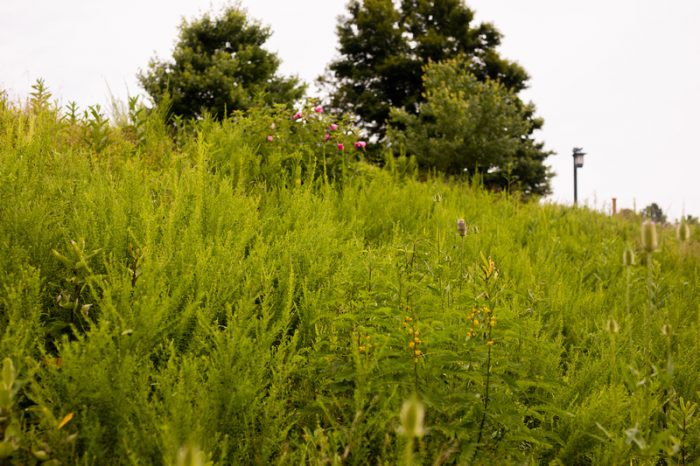
Invasive plants affect nearly every habitat in West Virginia, from common forest types to rare wetland communities and shale barrens. They easily become established in and spread from roads, trails, housing developments, and other disturbed areas. Even small canopy gaps can give invasive plants a foothold to invade relatively undisturbed forest communities. Seeds and fragments of invasive plants can be spread to remote areas by wind, water, and animals, as well as on clothing, machinery, or equipment. Many invasive species, like multiflora rose, tree-of-heaven, and autumn olive, were first introduced for ornamental, agricultural, or even restoration purposes, but others (like Japanese stiltgrass) were introduced accidentally.
Invasive Insects
Many invasive insects are serious pests of agricultural crops. Other invasive insects negatively impact native plants and can dramatically change native plant communities. Invasive insect pests include the emerald ash borer, spotted lanternfly, hemlock woolly adelgid, and spongy moth. These insect pests feed on trees and can cause massive dieback of important timber species, as well as major changes in forest composition and structure.
Other Invasive Animals
Feral and outdoor cats are a major threat to native wildlife and public health, with an estimated 2.4 billion birds killed by outdoor cats in the United States each year and cats being the top carrier of rabies among domestic animals. Invasive birds like European starlings and house sparrows compete with native songbirds for food and nesting resources, and house sparrows sometimes bully bluebirds and other native songbirds out of nest boxes and tree cavities. Feral hogs destroy agricultural fields and tear up the forest floor when foraging for roots and invertebrates in the soil. Invasive rodents such as roof rats (Rattus rattus), brown rats (Rattus norvegicus), and the house mouse (Mus musculus) eat songbird eggs and can be both a nuisance and a health hazard in both rural and urban areas.