
WVDNR shares safety reminders and fishing locations for winter fishing adventures
Winter in West Virginia offers some of the most peaceful and rewarding fishing of the year. The summer crowds are gone, the scenery is crisp and beautiful and with the right approach, the fish are definitely biting. So, if you think the fishing season ends when cold weather arrives or that trout are the only fish worth catching in the winter, this guide is for you.
Know Before You Go
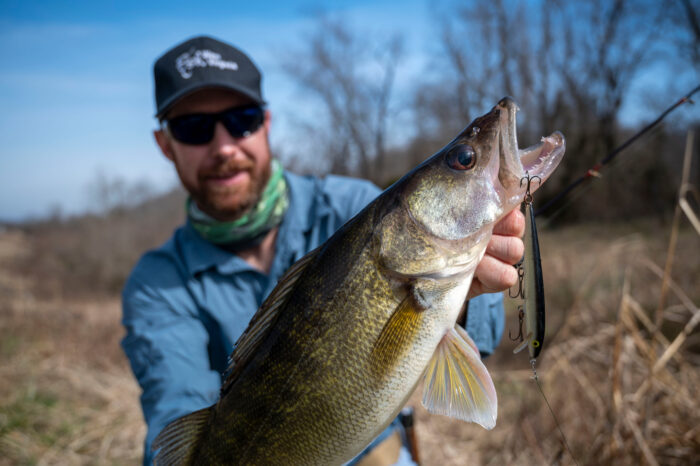
Fish are cold-blooded, which means their activity is dictated by the water temperature around them. As water cools, their metabolism slows down. However, fishing can be fantastic on warmer, sunny winter days. Even a slight increase in water temperature can spur fish to move into shallower areas and feed more actively.
As any seasoned angler will tell you, a great day of fishing begins long before you get to the water. A little preparation is the key to a safe, comfortable and successful winter trip. Following these simple rules will ensure your adventure is a safe one.
- Dress for the Weather: Dress in layers to stay warm and dry, as falling into cold water can create a dangerous situation very quickly.
- Share Your Plan: Always let someone know where you are going and when you expect to return before you head out.
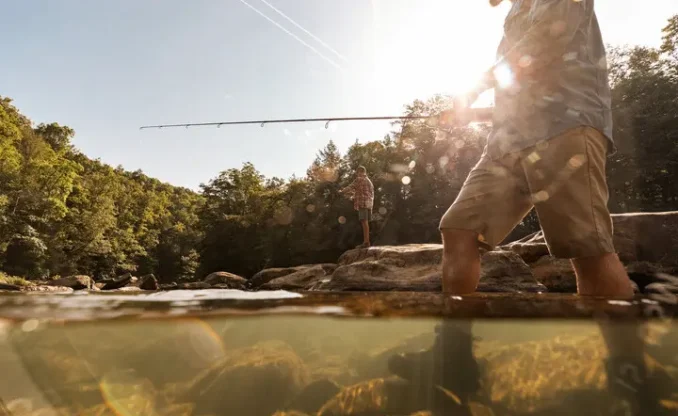
- Watch Your Step: Winter conditions make shorelines treacherous. Always test your footing on rocks and steep banks before putting your full weight down.
- Don’t Walk on Ice: While the surface of lakes, ponds and impoundments can freeze during the winter, when the temperature is below freezing for an extended period of time, it is NEVER safe to walk onto ice.
- Wear Your PFD: Most water-related deaths, injuries and incidents happen because someone wasn’t wearing a personal flotation device. If you are on the water in a vessel, West Virginia law requires that you have a life jacket that is in good condition, properly sized and readily available for each person on board. Any child under the age of 13, including infants, must wear a PFD while the vessel is underway. Vessels 16 feet and over must have a throwable Type IV PFD ring or cushion on board that can be thrown to a person in the water in addition to the previously noted PFDs.
The links below also can help you prepare for a safe and enjoyable winter fishing trip. When in doubt, contact your local WVDNR district biologist for more detailed information in your area.
- West Virginia Fishing License
- West Virginia Fishing Regulations Summary
- Interactive Fishing Map
- Daily Trout Stockings
- West Virginia Flow Data (USGS)
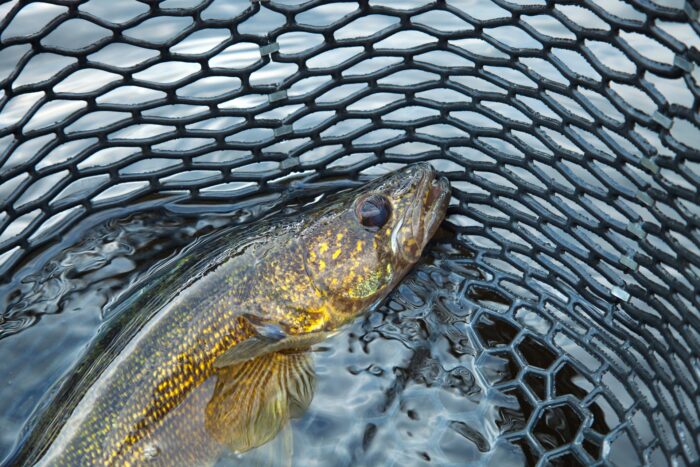
West Virginia’s Winter Hotspots: A District-by-District Guide
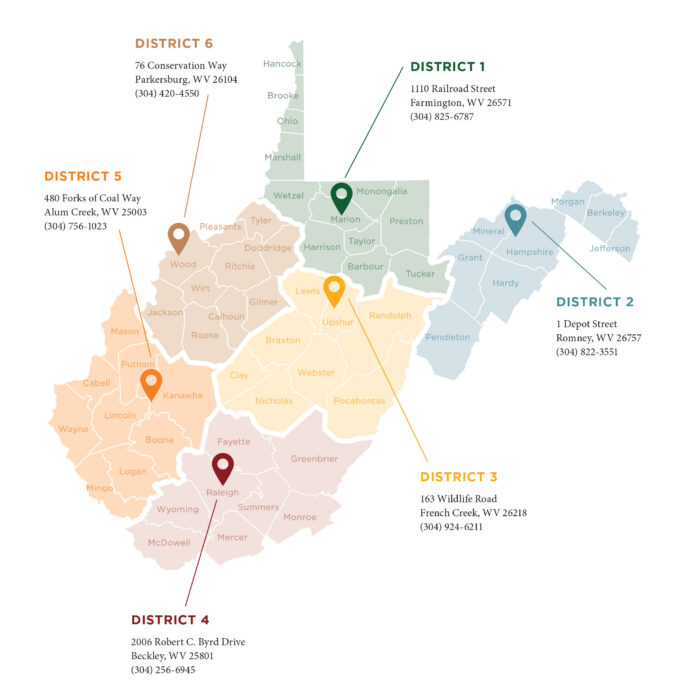
Each of the following spots has been chosen for access and high potential for success, making them perfect for anglers looking to get their line wet this winter.
District 1 Winter Fishing Guide
If you want to cast your line in a reservoir, check out Cheat Lake or Tygart Lake. But be advised that water levels fluctuate significantly during the winter months. You’ll find plenty of walleye and yellow perch in Cheat Lake, but you also can target channel catfish in deep waters off the park piers and fish the tailwater for sauger. Tygart Lake also supports a healthy walleye fishery as well as a self-reproducing muskellunge population. As winter progresses, both fish migrate towards the head of the reservoir for spawning.
For river fishing, cast your line in the tailwaters of the Ohio and Monongahela rivers, such as Hannibal, Pike Island and Morgantown. These areas support walleye, sauger and musky. Warmwater discharges associated with industrial facilities will hold white and hybrid striped bass throughout the winter. You can also find musky in the Tygart River and West Fork River.
Beginning in January, trout are stocked at popular spots like Blackwater River and Wheeling Creek. Small impoundments like Teter Creek Lake are also stocked, while ponds such as Fairfax Ponds offer bluegill and crappie action.
District 2 Winter Fishing Guide
Winter is a great time to go fishing at Mt. Storm Lake, where you can find trophy-sized walleye and striped bass. Due to warmer water temperatures, fish grow quickly here, so try trolling shad-pattern crankbaits in deep water to find them. Jennings-Randolph Lake is another option, but be advised that winter drawdowns may render the West Virginia side of the Howell boat ramp unusable.
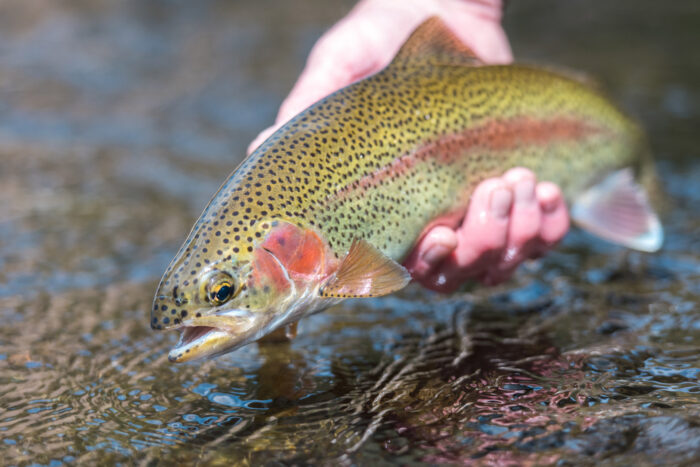
During warmer winter days, when temperatures have been higher than 40 degrees, anglers have been known to catch smallmouth bass on the South Branch, Shenandoah or Cacapon rivers. Anglers also have found success at smaller impoundments during the winter. Wherever you cast your line, target deep, slow-moving pools near moderate to large boulders where fish tend to congregate this time of year. If fishing on the North Branch River, strictly monitor whitewater discharge rates and adhere to Maryland regulations.
District 3 Winter Fishing Guide
If you want to cast a line in a lake, there are plenty of options in District 3. The upper end of Stonecoal Reservoir is a great place to catch crappie, perch and bluegill and Stonewall Jackson and Burnsville lakes are good places to target musky.
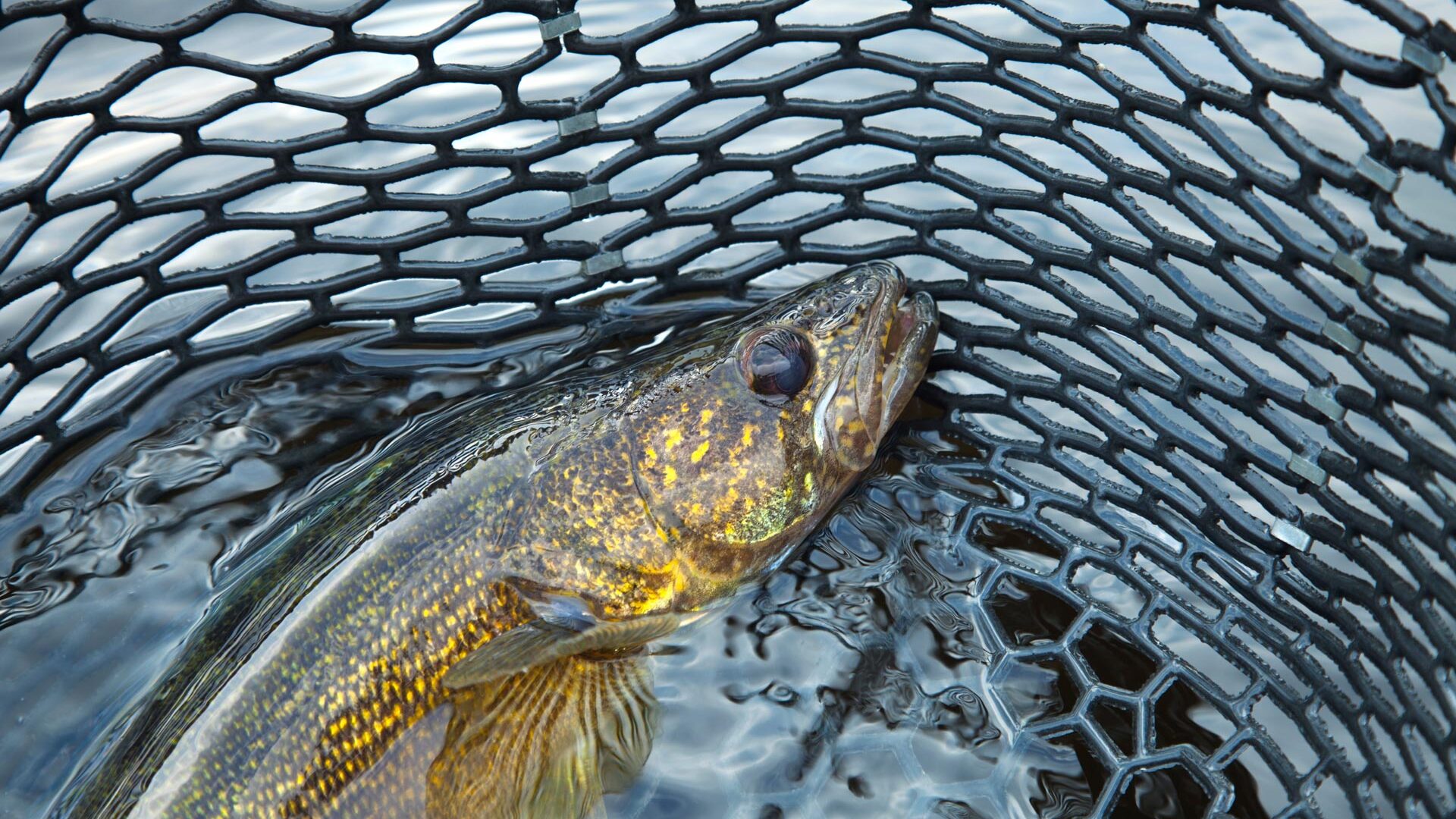
Walleye anglers should visit Summersville Lake and fish for them in 25-50 feet. The Little Kanawha River, which is famous for producing state-record musky, is also a good location. Be advised that USACE lakes like Summersville and Sutton undergo massive winter drawdowns, so checking water levels is essential before launching boats.
For new anglers, small impoundments such as Big Ditch and Wallback lakes hold quality fish that bite readily on small jigs. Trout are also stocked at several lakes and streams from January to May.

District 4 Winter Fishing Guide
The New River is a top choice for walleye. Because these fish see well in low light, success improves significantly by fishing at dusk or dawn near tributary mouths and deep holes. The New, Greenbrier and Meadow rivers also hold smallmouth bass and muskellunge. For bass, try deep-water techniques with blade baits, while musky anglers should target Kanawha Falls with large glide baits. Below the Kanawha River locks (Marmet and London), anglers can find hybrid striped bass, walleye and flathead catfish.
Bluestone Reservoir is a primary destination for striped and hybrid striped bass, which are coolwater fish likely to bite under winter conditions. RD Bailey Reservoir also holds state-quality spotted bass.
For trout, Glade Creek offers a catch-and-release section, and Second Creek provides fly-fishing opportunities for those using nymphs or streamers. Smaller impoundments like Stephens Lake (walleye and bass) and Plum Orchard (bass and bluegill) also provide productive outings.
District 5 Winter Fishing Guide
Following a series of warm days which increase water temperatures slightly, East Lynn and Beech Fork lakes are a great place to target wintering largemouth bass. East Lynn is also a destination for musky, while Beech Fork anglers can find hybrid striped bass near the dam.
Small impoundments such as Chief Logan and Laurel lakes offer excellent access for anglers of all skill levels. Look for fish attractors made of recycled Christmas trees. Waters such as Hurricane and Coonskin are often stocked with trout.
For river fishing, the Ohio and Kanawha rivers are prime spots for walleye and sauger. Focus your efforts on the tailwaters of locks and dams and tributary mouths. During low flows, anglers have been known to catch smallmouth bass in deep pools in the Big Coal, Little Coal, Guyandotte, Twelvepole Creek, Mud, Big Sandy and Tug Fork rivers.
District 6 Winter Fishing Guide
During the winter, anglers can target rainbow, brown and brook trout in stocked waters, such as Rollins Lake, Cedar Creek State Park Pond and Conaway Run Lake. Anglers in District 6 can target largemouth bass on warm, sunny days at North Bend Lake, Rollins, and Woodrum lakes. Charles Fork Lake offers a unique opportunity for walleye, though this is a catch and release water. Musky anglers should target woody cover in Mountwood and North Bend lakes.
River anglers on the Ohio River can find walleye and sauger congregating below tailwaters. Be aware of the trophy walleye regulation on the Ohio (a limit of two fish per day over 18 inches). Industrial warmwater discharges are excellent spots for white and hybrid striped bass.
Plan Your Winter Fishing Trip to West Virginia
Winter fishing is a fantastic way to experience the quiet beauty of West Virginia’s outdoors and challenge yourself in a new way.
Get your fishing license today and start planning your fishing adventures today!
Want to see more from our team? Save West Virginia DNR as a preferred source in Google